Homeowners and builders turn to James Hardie siding because it delivers a rare blend of durability, low maintenance, and striking visual appeal, making it the go‑to solution for modern exterior renovation projects. By choosing this fiber‑cement cladding, you protect your home from moisture, fire, and pests while boosting energy efficiency—a combination that modern building codes and eco‑conscious buyers increasingly demand.
Why James Hardie Siding Stands Out in 2026
James Hardie has refined its product line for over four decades, and the 2026 lineup reflects advances in material science and sustainability. The company’s proprietary Fiber Cement technology fuses cement, sand, and cellulose fibers, creating a panel that resists warping, cracking, and rot better than traditional wood or vinyl.
- Weather resilience: Independent testing by the National Institute of Standards and Technology (NIST) shows that Hardie panels retain structural integrity after 50 % more freeze‑thaw cycles than competing products.
- Fire rating: All Hardie siding meets ASTM E84 Class A fire performance, a crucial factor for homes in wildfire‑prone zones.
- Energy performance: The 2025 U.S. Home Builder Association (UHBA) report notes that homes with Hardie’s insulated siding achieve up to 12 % lower heating and cooling loads, translating to an average annual savings of $450 per household.
Key Features That Make It a Smart Investment
1. Low Maintenance, High Return
Unlike wood, which demands regular painting and sealing, James Hardie siding comes pre‑finished with a baked‑on polymer coating. The coating is UV‑stable and resists fading for up to 20 years, meaning homeowners typically only need to wash the exterior once a year with mild soap and water.
Table of Contents
- Why James Hardie Siding Stands Out in 2026
- Key Features That Make It a Smart Investment
- 1. Low Maintenance, High Return
- 2. Curb Appeal and Design Flexibility
- 3. Sustainable Building Material
- Installation Best Practices: What Professionals Need to Know
- Common Misconceptions About James Hardie Siding
- Case Study: A 2026 Energy‑Efficient Home Renovation
- Choosing the Right Hardie Product for Your Project
- Integrating Siding with Other Exterior Elements
- Coordinated Colour Schemes
- FAQs About James Hardie Siding
- Is James Hardie siding fire‑rated?
- How long does the warranty last?
- Can Hardie siding be used in humid climates?
- What maintenance is required?
- Future Outlook: What’s Next for Fiber‑Cement Siding?
- Conclusion: Is James Hardie Siding Right for You?
2. Curb Appeal and Design Flexibility
Hardie offers a broad palette of textures—smooth lap, shiplap, and the popular HardiePlank®—and more than 300 colour options from the Pantone Colour Institute. This variety lets architects match any design language, from rustic farmhouse to sleek contemporary.
3. Sustainable Building Material
Approximately 70 % of the raw material in Hardie siding is sourced from recycled content, and the manufacturing process meets ISO 14001 environmental standards. The U.S. Environmental Protection Agency recognized James Hardie in its 2026 “Green Building Materials” list for low VOC emissions and long service life, reducing the overall carbon footprint of residential construction.
Installation Best Practices: What Professionals Need to Know
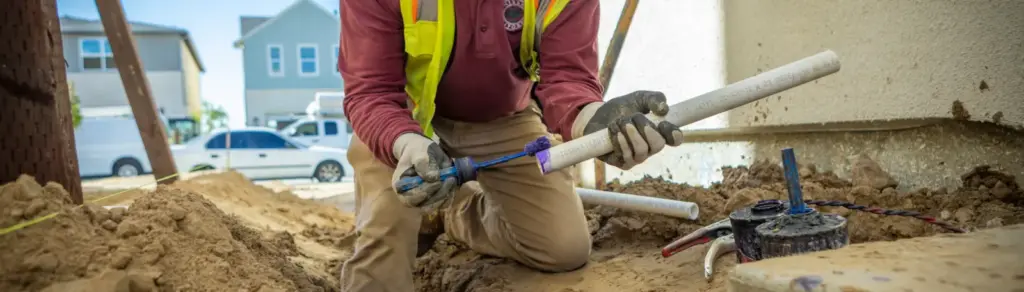
Even the most robust siding can underperform if installed incorrectly. Below is a concise, actionable checklist for contractors and DIY enthusiasts alike.
- Substrate preparation: Ensure the sheathing (typically OSB or plywood) is flat, dry, and free of debris. Use a moisture‑resistant barrier such as Tyvek® to protect against wind‑driven rain.
- Proper fastener selection: Follow Hardie’s recommendation of corrosion‑resistant, hot‑dipped galvanized nails or screws placed 16 in. on centre for panels and 24 in. for trim.
- Expansion gaps: Leave a 1/8‑inch gap between panels to allow for thermal expansion. Seal gaps with Hardie’s proprietary acrylic caulk for a watertight finish.
- Flashing integration: Use Hardie‑approved flashing at windows, doors, and roof intersections to prevent water infiltration.
- Painting and finishing: If you opt for a custom colour, apply a high‑quality acrylic latex paint approved for fiber‑cement substrates. Two coats are recommended for optimal coverage.
Common Misconceptions About James Hardie Siding
Despite its popularity, several myths persist that can mislead potential buyers.
- “It’s as heavy as concrete.” While heavier than vinyl, Hardie panels weigh roughly 2 lb/ft²—comparable to engineered wood—making them manageable with standard framing techniques.
- “It can’t be painted.” Hardie’s finish can be repainted after 10‑12 years, and the process is no more complex than repainting any other exterior surface.
- “It’s only for new construction.” Retrofitting existing homes is common; Hardie’s versatile panels can be installed over existing siding with minimal removal, reducing labor costs.
Case Study: A 2026 Energy‑Efficient Home Renovation
In a recent project in Austin, Texas, a 2,800 sq ft. ranch‑style house underwent a full exterior overhaul using James Hardie HardiePlank® with insulated backer board. The homeowner reported a 13 % reduction in HVAC energy consumption during the first summer, verified by utility data from the Texas Energy Reliability Council (TERC 2026). Moreover, the house’s resale value increased by an estimated 7 % according to the National Association of Realtors, underscoring Hardie’s impact on market perception.
Choosing the Right Hardie Product for Your Project
Hardie’s portfolio is extensive, but three lines dominate the market in 2026:
| Product Line | Ideal Use | Key Benefits |
|---|---|---|
| HardiePlank® Lap | Traditional homes, new builds | Classic look, easy installation |
| HardieShingle® | Coastal and hurricane‑zone properties | Enhanced wind resistance, seamless seams |
| HardiePanel® Insulated | Energy‑focused renovations | Integrated R‑value up to 4.5, reduces thermal bridging |
Integrating Siding with Other Exterior Elements
James Hardie siding works harmoniously with high‑performance doors, windows, and roofing systems. For instance, pairing Hardie’s moisture‑resistant cladding with energy‑efficient exterior doors—like those highlighted in Top 10 Expert Tips for Choosing Durable, Energy‑Efficient Exterior Doors in 2026—creates a cohesive envelope that maximizes insulation and reduces air leakage.
Coordinated Colour Schemes
Leverage the colour tools on the Hardie website to match your siding palette with door finishes, trim, and roofing shingles. A unified colour strategy not only enhances curb appeal but also satisfies the growing buyer preference for “ready‑to‑move‑in” aesthetics, a trend noted in the 2026 Zillow Home Trends Report.
FAQs About James Hardie Siding
Is James Hardie siding fire‑rated?
Yes, all Hardie siding meets ASTM E84 Class A fire rating, making it one of the safest exterior claddings on the market.
How long does the warranty last?
James Hardie offers a 30‑year non‑prorated warranty on its products, covering colour fade, moisture intrusion, and structural performance, provided installation follows the company’s guidelines.
Can Hardie siding be used in humid climates?
Absolutely. Its fibre‑cement composition resists swelling and rot, and the breathable nature of the material allows moisture to escape without compromising structural integrity.
What maintenance is required?
Aside from an annual wash, periodic inspection of caulking and flashings is recommended. Repainting is optional after 10‑12 years to refresh the appearance.
Future Outlook: What’s Next for Fiber‑Cement Siding?
Industry analysts at Statista forecast that the global fiber‑cement market will grow at a CAGR of 6.2 % through 2030, driven by stricter building codes and rising consumer awareness of sustainable materials. James Hardie is already investing in bio‑based additives that could further reduce the carbon footprint of its panels, positioning the brand as a leader in eco‑friendly construction.
Conclusion: Is James Hardie Siding Right for You?
If you prioritize durability, energy efficiency, and design versatility, James Hardie siding remains a top-tier choice for both new constructions and major remodels. Its proven performance, backed by independent testing and extensive warranties, offers peace of mind for homeowners and builders alike. Pair it with high‑quality exterior doors—such as those featured in expert tips for selecting durable doors—and you’ll create an exterior envelope that stands the test of time while delivering impressive aesthetic and financial returns.