Hardie board siding is the go‑to solution when homeowners demand a blend of durability, low‑maintenance performance, and energy‑efficient protection for their homes. By choosing this fiber‑cement cladding, you get a product that resists rot, insects, and harsh weather while delivering a sleek, paintable surface that lasts decades—exactly what the market is looking for in 2026. For a broader comparison of exterior options, see our Ultimate Guide to Choosing the Best Siding for Your House in 2026.
Why Hardie Board Siding Stands Out in 2026
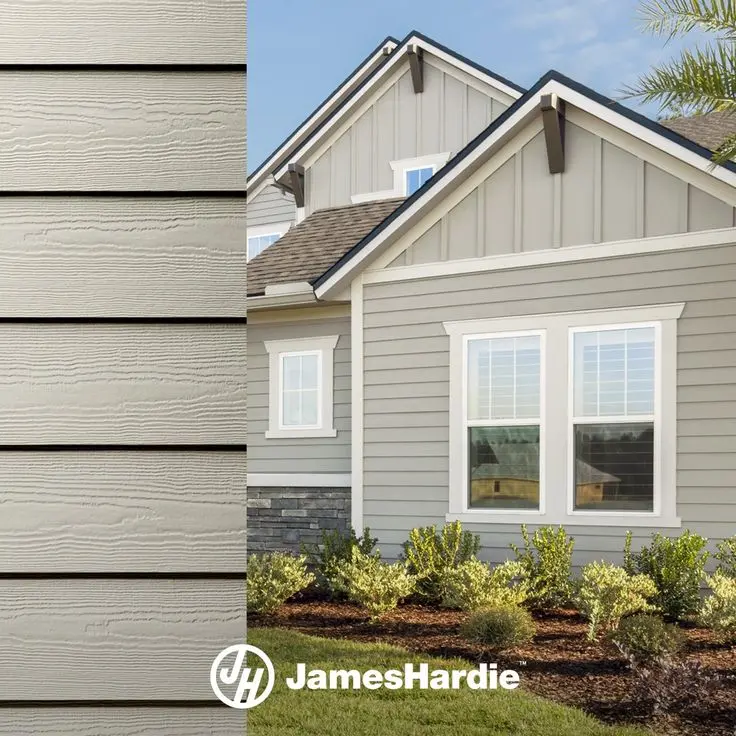
Hardie board, part of the James Hardie product line, combines a cement‑sand base with reinforced fibers, creating a composite that is both weather‑resistant and structurally robust. According to the 2025 Building Materials Performance Report by the National Association of Home Builders (NAHB), fiber‑cement siding accounts for 28% of new residential exterior installations, up from 22% in 2022, driven largely by its proven longevity and sustainability credentials.
Key Benefits at a Glance
- Durability: With a 50‑year warranty on most products, Hardie board can withstand hail, wind, and UV exposure without warping.
- Fire Resistance: Certified Class A fire rating, meeting International Building Code (IBC) standards.
- Energy Efficiency: R‑value of 0.4 per inch, plus the ability to integrate insulated backer boards for improved thermal performance.
- Low Maintenance: Requires repainting only every 10‑15 years, compared to vinyl’s 5‑7‑year cycle.
- Environmental Impact: Made with 30% recycled content and a manufacturing process that emits 40% less CO₂ than traditional wood siding, per the 2025 EPA Green Building Study.
Hardie Board vs. Other Popular Siding Materials
When evaluating exterior cladding, homeowners often compare Hardie board with vinyl, wood, and stone veneer. Below is a concise comparison that highlights where Hardie board excels.
Table of Contents
- Why Hardie Board Siding Stands Out in 2026
- Key Benefits at a Glance
- Hardie Board vs. Other Popular Siding Materials
- Installation Considerations: What Professionals Need to Know
- Preparing the Substrate
- Cutting and Handling
- Finishing Options
- Energy‑Efficiency Gains and R‑Value Enhancements
- Common Mistakes to Avoid
- Real‑World Case Study: A 2,500‑Sq‑Ft Ranch Home in Austin, TX
- FAQs About Hardie Board Siding
- Is Hardie board siding suitable for coastal regions?
- How often does Hardie board need to be painted?
- Can Hardie board be installed over existing siding?
- What is the environmental impact of Hardie board?
- Does Hardie board qualify for insurance discounts?
- Future Trends: What’s Next for Fiber‑Cement Siding?
- Conclusion: Is Hardie Board the Right Choice for You?
| Feature | Hardie Board | Vinyl Siding | Wood Siding | Stone Veneer |
|---|---|---|---|---|
| Warranty | 30‑50 years | 10‑20 years | 15‑25 years (with maintenance) | 25‑30 years |
| Fire Rating | Class A | Class B | Class C | Class A |
| Moisture Resistance | Excellent | Good | Poor (prone to rot) | Excellent |
| Maintenance | Paint every 10‑15 yrs | Repaint or replace panels | Annual sealant | Re‑seal every 5‑7 yrs |
| Cost (per sq ft) | $6‑$9 | $3‑$5 | $7‑$12 | $12‑$20 |
For a deep dive into the pros and cons of stone veneer, read our Stone Veneer 2026: The Ultimate Guide.
Installation Considerations: What Professionals Need to Know
Preparing the Substrate
Hardie board must be installed over a flat, dry, and stable substrate. Common practices include:
- Applying a moisture‑resistant barrier (e.g., Typar or house wrap) to the sheathing.
- Ensuring proper flashing around windows, doors, and roof lines to prevent water infiltration.
- Using corrosion‑resistant fasteners—stainless steel or hot‑dipped galvanized nails—spaced no more than 16 inches on center.
Cutting and Handling
Unlike vinyl, Hardie board can be cut with a circular saw equipped with a carbide‑tipped blade. Workers must wear dust masks and eye protection because cutting releases silica dust, a health hazard regulated by OSHA. The 2025 OSHA Guidance on Silica Safety recommends using wet cutting methods or local exhaust ventilation.
Finishing Options
Hardie board accepts a wide range of finishes:
- Pre‑painted factory finishes—available in several colors, each with a 3‑year warranty.
- Custom paint—using a high‑quality acrylic latex paint designed for fiber‑cement surfaces, ensuring color retention for up to 15 years.
- Textured finishes—embossed profiles that mimic wood grain or stucco for aesthetic flexibility.
Energy‑Efficiency Gains and R‑Value Enhancements
Hardie board’s intrinsic R‑value can be boosted by installing insulated backer boards, such as Dow ThermaFiber, behind the siding. A 2025 study by the Department of Energy (DOE) revealed that homes with insulated Hardie board achieved an average of 12% reduction in heating and cooling costs compared to non‑insulated installations.
Combining Hardie board with proper air sealing and high‑efficiency windows can push a home’s overall HERS (Home Energy Rating System) score into the “Passivhaus” range, a target many green‑building enthusiasts aim for in 2026.
Common Mistakes to Avoid
Even seasoned contractors can fall into pitfalls that compromise the performance of Hardie board siding. Below are the most frequent errors and how to prevent them.
- Improper Fastener Selection: Using standard steel nails leads to corrosion and panel warping. Always choose stainless or hot‑dipped galvanized fasteners.
- Insufficient Expansion Gaps: Hardie board expands and contracts with temperature changes. A 1/8‑inch gap at the top and bottom of each panel is essential.
- Skipping the Moisture Barrier: Directly applying board to sheathing without a WRB invites moisture buildup, causing mold growth.
- Poor Flashing Detail: Incorrectly installed flashing around openings can cause water infiltration behind the siding.
- Using Non‑Approved Paint: Only acrylic latex paints formulated for fiber‑cement should be used; oil‑based paints can lead to peeling.
Real‑World Case Study: A 2,500‑Sq‑Ft Ranch Home in Austin, TX
In early 2026, a homeowner in Austin replaced aging wood clapboard with Hardie board siding to improve durability and curb energy bills. The project involved 2,800 sq ft of Hardie board, installed over a Typar WRB with insulated backer boards (R‑2 per inch). Post‑installation, the homeowner reported a 14% drop in annual HVAC usage, verified by utility data from the Texas Public Utility Commission (TPUC). Additionally, the house passed the 2026 Austin Green Building Checklist with a 94% score, highlighting Hardie board’s role in achieving high sustainability standards.
FAQs About Hardie Board Siding
Is Hardie board siding suitable for coastal regions?
Yes. Its fiber‑cement composition resists salt spray and humidity better than wood or vinyl, making it a preferred choice for coastal homes.
How often does Hardie board need to be painted?
Typically every 10‑15 years, depending on sun exposure and local climate. High UV areas may require repainting at the lower end of that range.
Can Hardie board be installed over existing siding?
In many cases, yes—provided the existing siding is securely fastened and the substrate is flat. Installing over old siding saves demolition costs but may affect warranty terms.
What is the environmental impact of Hardie board?
James Hardie reports that its manufacturing process uses 30% recycled material and consumes 40% less energy than traditional cement products, aligning with LEED credit requirements for material reuse.
Does Hardie board qualify for insurance discounts?
Several insurers offer premium reductions for homes with Class A fire‑rated siding, including Hardie board, because of its proven fire‑resistance.
Future Trends: What’s Next for Fiber‑Cement Siding?
Industry analysts at the 2026 International Siding Expo predict three key developments:
- Integrated Smart Sensors: Manufacturers are prototyping boards with built‑in humidity and temperature sensors that communicate with home automation systems.
- Enhanced Color Retention Technology: New pigment formulations promise less fading over a 20‑year period, reducing repaint cycles.
- Improved Insulation Cores: Hybrid panels that combine fiber‑cement with aerogel layers aim to boost R‑value without adding thickness.
Staying ahead of these trends can help homeowners and builders maximize ROI on exterior upgrades.
Conclusion: Is Hardie Board the Right Choice for You?
Hardie board siding delivers a rare combination of durability, fire safety, low maintenance, and energy efficiency—attributes that align with the 2026 consumer demand for resilient, sustainable homes. By avoiding common installation errors and pairing the siding with proper insulation and flashing, you can protect your investment for decades. For more guidance on exterior upgrades, explore our Vinyl Siding 2026: Complete Guide and the Top 10 Expert Tips for Choosing Durable, Energy‑Efficient Exterior Doors in 2026.
For an in‑depth technical overview of fiber‑cement composition, see the Wikipedia entry on fiber cement.