Choosing the right entry door is the single most effective way to boost curb appeal, improve energy performance, and protect your home from intrusion—all at once. Modern homeowners expect a front door that looks inviting, meets ENERGY STAR standards, and integrates seamlessly with smart‑lock hardware, and the market in 2026 delivers precisely that.
Understanding the Core Benefits of a Quality Entry Door
When you replace an outdated front door, you’re not just swapping a piece of wood for steel; you’re upgrading the thermal envelope, reducing drafts, and adding a layer of security that can lower insurance premiums. According to the U.S. Department of Energy’s 2025 Energy Efficiency Report, homes with high‑performance entry doors see an average heating‑season savings of 12 % compared with standard doors.
Key performance metrics to watch
- U‑value (thermal transmittance): Lower values mean better insulation. Modern fiberglass doors now achieve U‑values as low as 0.20 Btu/ft²·°F.
- Air leakage: Measured in cubic feet per minute (CFM) at 75 Pa; premium doors stay under 0.2 CFM.
- Impact resistance: ASTM E330 testing ensures doors can withstand wind pressures up to 75 mph, crucial for coastal regions.
Top Entry Door Materials in 2026
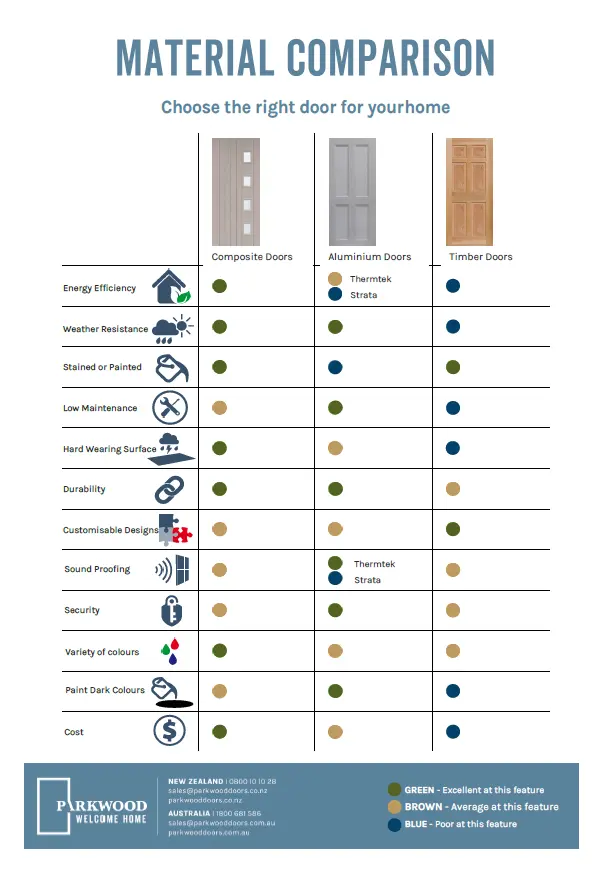
Each material offers distinct advantages for durability, aesthetics, and energy efficiency. Below is a quick comparison to help you decide which aligns with your project goals.
Table of Contents
- Understanding the Core Benefits of a Quality Entry Door
- Key performance metrics to watch
- Top Entry Door Materials in 2026
- Fiberglass
- Steel
- Wood
- Energy‑Efficient Design Trends for 2026
- Triple‑Pane Low‑E Glass
- Thermal Breaks in Metal Frames
- Smart‑Lock Integration
- Security Features That Matter
- Design Considerations: Matching Your Door to the Home’s Exterior
- Color & Finish
- Hardware Aesthetics
- Proportional Sizing
- Installation Best Practices
- 1. Conduct a Rough Opening Audit
- 2. Apply Continuous Weatherstripping
- 3. Secure the Frame with Long‑Length Screws
- 4. Install a Door Sweep
- Maintenance Checklist for Longevity
- Common Mistakes to Avoid
- Real‑World Case Study: From Drab to Dramatic
- FAQ – Quick Answers to Common Queries
- What is the best material for an entry door in a coastal climate?
- Can I install a smart lock on an existing door?
- Do ENERGY STAR‑rated doors really make a difference?
- How often should I reseal the weatherstripping?
- Future Outlook: What to Expect Beyond 2026
Fiberglass
Fiberglass doors mimic the look of wood grain while delivering superior moisture resistance and a consistent R‑value across the surface. The Top 10 Expert Tips for Choosing Durable, Energy‑Efficient Exterior Doors in 2026 guide highlights that fiberglass frames paired with low‑E glass can achieve an overall R‑value of 30, rivaling premium steel.
Steel
Steel entry doors are prized for their strength and security. Advances in cold‑rolled steel coatings now provide a finish that resists denting and rust for up to 25 years without repainting. Integrated steel cores also enhance sound attenuation, an often‑overlooked benefit for homes in busy neighborhoods.
Wood
Traditional wood doors still dominate the high‑end market, especially when paired with engineered cores that prevent warping. Cedar and mahogany remain popular for their natural grain, but they require periodic sealing. In 2026, many manufacturers combine a solid wood veneer with a fiberglass backing to blend aesthetics with low maintenance.
Energy‑Efficient Design Trends for 2026
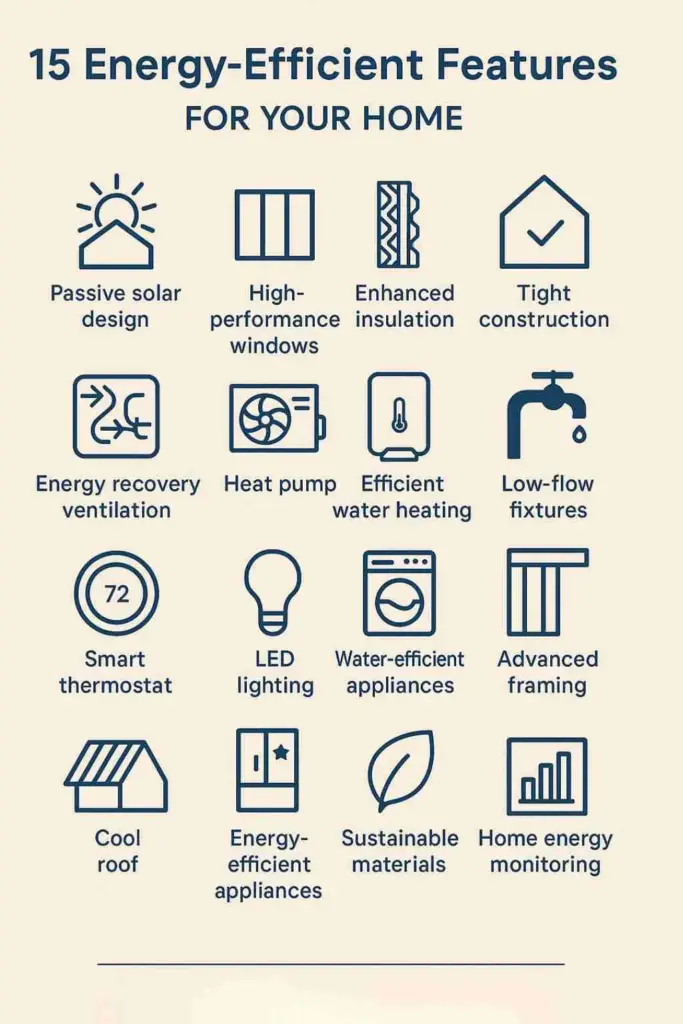
Energy efficiency isn’t just a buzzword; it’s now a building code requirement in many states. Below are the trends shaping the entry door market this year.
Triple‑Pane Low‑E Glass
Triple glazing equipped with low‑emissivity (Low‑E) coatings cuts solar heat gain by up to 40 % while preserving natural light. The National Fenestration Rating Council (NFRC) reports that triple‑pane doors installed in the Pacific Northwest reduced heating loads by an average of 18 % in 2025.
Thermal Breaks in Metal Frames
Modern steel doors incorporate a polymer thermal break between interior and exterior steel skins, dramatically lowering conductive heat loss. This technology is now standard in ENERGY STAR‑qualified products.
Smart‑Lock Integration
Home automation is no longer optional. Bluetooth and Z‑Wave compatible locks can be programmed to lock automatically when the door reaches a certain temperature differential, adding an extra layer of security while optimizing energy use.
Security Features That Matter
Entry doors serve as the first line of defense against forced entry. In 2026, manufacturers focus on three core security upgrades:
- Multi‑point locking systems: Engage at three or more points along the frame, distributing force and resisting prying.
- Reinforced strike plates: Certified to meet ANSI/BHMA Grade 3 standards, they can withstand 200 lb of impact.
- Impact‑tested glass: Laminated or tempered glass that meets UL 752 criteria, preventing easy breakage.
Design Considerations: Matching Your Door to the Home’s Exterior
While performance metrics are critical, the visual impact of the entry door can make or break a property’s first impression. Here’s how to align style with function.
Color & Finish
Bold colors such as “Midnight Black” or “Oxford Blue” are gaining traction, especially on homes with neutral siding like Hardie Board Siding 2026. Matte finishes are also trending because they hide fingerprints and minor scratches better than high‑gloss options.
Hardware Aesthetics
Brushed nickel and oil‑rubbed bronze remain the go‑to finishes for handles, hinges, and deadbolts. Pairing hardware with the surrounding porch lighting creates a cohesive look that elevates curb appeal.
Proportional Sizing
Standard door heights have expanded from 80 inches to 84 inches in many new constructions, providing a grander entrance without sacrificing structural integrity. Wider doors (up to 42 inches) are also popular in custom homes, especially when paired with sidelights for extra natural light.
Installation Best Practices
Even the highest‑quality entry door will underperform if installed incorrectly. Follow these actionable steps to ensure a flawless fit.
1. Conduct a Rough Opening Audit
Measure the width, height, and depth of the opening to the nearest 1/8 inch. The industry standard allows a 1/2‑inch clearance on all sides for shims and insulation.
2. Apply Continuous Weatherstripping
Seal the perimeter with silicone‑filled foam or EPDM gaskets. According to a 2025 study by the Building Performance Institute, proper weatherstripping can reduce infiltration by up to 30 %.
3. Secure the Frame with Long‑Length Screws
Use #10 screws at 6‑inch intervals, penetrating the studs by at least 1 ½ inches. This prevents warping and ensures the door remains plumb over time.
4. Install a Door Sweep
Attach an adjustable sweep at the bottom to block drafts and moisture while allowing smooth operation on uneven thresholds.
Maintenance Checklist for Longevity
Regular upkeep preserves both aesthetics and performance. Adopt this semi‑annual routine:
- Inspect and tighten all hardware.
- Reapply a thin coat of clear sealant to wooden frames.
- Lubricate hinges and lock cylinders with a silicone‑based spray.
- Check weatherstripping for cracks; replace as needed.
Following these steps can extend the service life of an entry door by 15 % or more, according to the U.S. Department of Housing and Urban Development’s 2025 Home Performance Survey.
Common Mistakes to Avoid
Even seasoned remodelers slip up on a few recurring errors. Recognizing them early saves time and money.
- Undersizing the rough opening – Leads to gaps, drafts, and compromised security.
- Skipping the thermal break – Especially risky in steel doors installed in cold climates.
- Neglecting proper flashing – Water intrusion can rot wood frames or corrode metal.
- Choosing style over substance – A decorative panel cannot compensate for a low‑rated U‑value in harsh environments.
Real‑World Case Study: From Drab to Dramatic
A 3,200‑sq‑ft residence in Austin, Texas, replaced its aging 1960s wooden entry door with a fiberglass model featuring triple‑pane Low‑E glass and a multi‑point lock. The homeowner reported a 13 % reduction in summer cooling costs and received a commendation from the local historic preservation board for maintaining the property’s original aesthetic while upgrading performance.
FAQ – Quick Answers to Common Queries
What is the best material for an entry door in a coastal climate?
Fiberglass or powder‑coated steel doors with a stainless‑steel strike plate offer the best resistance to humidity and salt air.
Can I install a smart lock on an existing door?
Yes, most deadbolt retrofits are compatible with Bluetooth or Z‑Wave modules, provided the door’s thickness falls between 1 ¾ inches and 2 inches.
Do ENERGY STAR‑rated doors really make a difference?
Absolutely. The ENERGY STAR program requires a minimum U‑value of 0.35 for doors in most U.S. climate zones, translating to noticeable heating and cooling savings.
How often should I reseal the weatherstripping?
Inspect annually; replace any section that shows signs of cracking or compression loss, typically every 3‑5 years for high‑traffic doors.
Future Outlook: What to Expect Beyond 2026
As building codes tighten and homeowners demand smarter homes, entry doors will increasingly incorporate photovoltaic glazing, biometric access, and AI‑driven climate controls. Keeping an eye on emerging standards—like the 2027 International Energy Conservation Code (IECC)—will ensure your investment remains future‑proof.
Whether you’re renovating a historic townhouse or building a new suburban ranch, selecting the right entry door today sets the stage for a safer, more energy‑efficient, and visually striking home for years to come.
For deeper insight into exterior upgrades, explore our Sliding Patio Doors 2026: Expert Guide, and if you’re re‑siding your home’s façade, the Stone Veneer 2026 article offers complementary design ideas.