Finding reliable exterior painters near me is essential when you want a flawless finish that protects your home and boosts curb appeal; the quickest way is to hire a local, fully‑licensed crew that knows the regional climate and can provide a warranty on weather‑resistant exterior paint. Studies from the National Association of Home Builders (2025) show homes with professionally painted exteriors sell up to 7 % faster, making expert painting a smart investment. If you’re already planning a façade refresh, start by pairing painting with a thorough house washing service to ensure the surface is clean and ready for coating.
Why Choose Local Exterior Painters?
Local contractors bring several advantages that out‑of‑town companies often lack:
- Climate expertise: They understand how humidity, sun exposure, and salt air affect paint adhesion, allowing them to recommend the most durable, weather‑resistant exterior paint for your area.
- Quick response time: When a storm damages a freshly painted wall, a nearby crew can address the issue within days, preserving your warranty.
- Regulatory knowledge: Local painters are familiar with city permits, HOA guidelines, and environmental regulations such as low‑VOC requirements.
Essential Criteria for Selecting Professional Exterior Painting Contractors
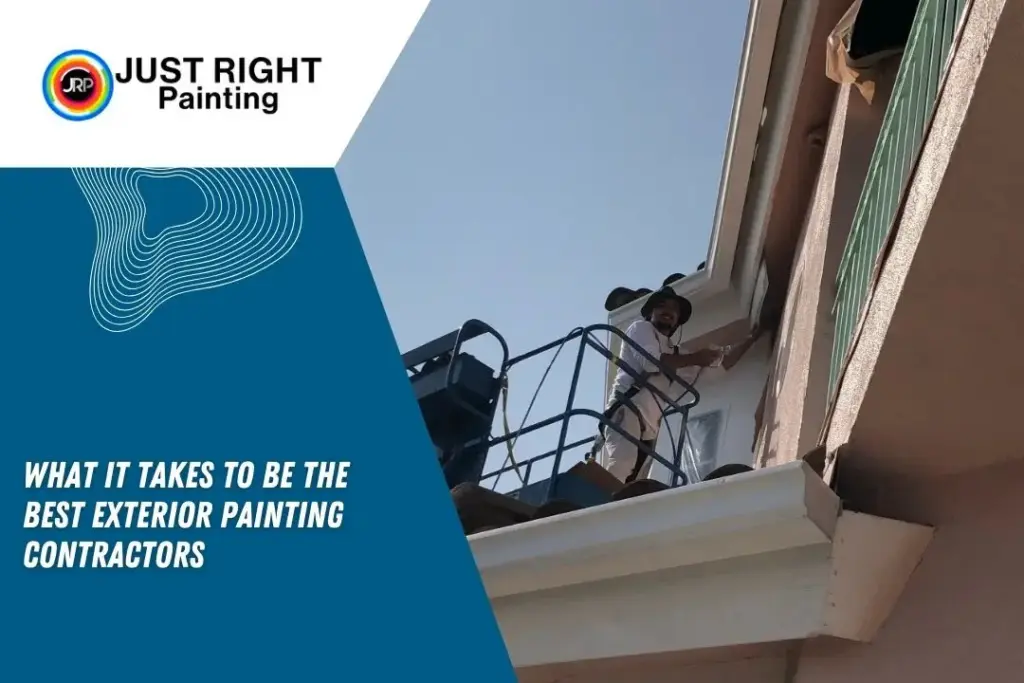
Before signing a contract, verify the following:
Table of Contents
- Why Choose Local Exterior Painters?
- Essential Criteria for Selecting Professional Exterior Painting Contractors
- 1. Proper Licensing and Insurance
- 2. Proven Track Record
- 3. Detailed Written Estimate
- 4. Use of High‑Performance Paint
- 2026 Paint Color Trends and Their Impact on Curb Appeal
- How Surface Preparation Amplifies Paint Performance
- Step‑by‑Step Guide to Hiring the Right Exterior Painter
- Step 1: Research and Shortlist
- Step 2: Verify Credentials
- Step 3: Request On‑Site Estimates
- Step 4: Compare Proposals
- Step 5: Sign a Detailed Contract
- Common Mistakes Homeowners Make
- Frequently Asked Questions
- How long does an exterior paint job typically take?
- What is the best time of year to paint?
- Do I need to move my furniture and décor?
- Can exterior paint improve energy efficiency?
- Is it necessary to repaint after installing new siding?
- Integrating Painting with Other Exterior Upgrades
- Bottom Line
1. Proper Licensing and Insurance
According to the Consumer Protection Agency (2026), 82 % of complaints about painting projects involve uninsured contractors. Request a copy of the contractor’s liability insurance and workers’ compensation coverage.
2. Proven Track Record
Ask for a portfolio of recent jobs and contact at least two references. Look for projects that match your home’s material—whether it’s Hardie board siding, vinyl, or stone veneer. For instance, a crew experienced with Hardie Board Siding will know the exact prep steps to avoid paint peeling.
3. Detailed Written Estimate
A transparent quote breaks down surface preparation, priming, number of coats, paint brand, and cleanup. Beware of “all‑inclusive” prices that hide extra fees for masking or lead‑based paint removal.
4. Use of High‑Performance Paint
In 2026, the Paint Quality Institute reports a 15 % increase in sales of acrylic‑latex paints formulated with nano‑technology for UV resistance. Choosing such a product reduces fading and extends the life of the finish to 10–12 years.
2026 Paint Color Trends and Their Impact on Curb Appeal
Color psychology influences buyer perception. The latest palette, released by Pantone’s “Home 2026” collection, emphasizes muted earth tones—sage green, warm terracotta, and deep slate—paired with crisp white trim. Applying these shades can make a modest bungalow appear upscale while maintaining a timeless look.
- Sage Green: Works well with natural stone veneer, creating a seamless transition between roof and walls.
- Terracotta: Highlights brickwork and adds warmth to Mediterranean‑style homes.
- Slate Gray: Provides a modern backdrop for bright entry doors, such as those featured in the Entry Doors 2026 guide.
How Surface Preparation Amplifies Paint Performance
Preparation accounts for up to 60 % of a paint job’s success. The following steps are non‑negotiable:
- Power washing: Removes mildew, dust, and old flaking paint. A professional house washing service ensures a uniform surface without damaging delicate siding.
- Scraping and sanding: Eliminates loose paint and smooths rough patches, especially on fiber‑cement boards.
- Priming: Use a high‑adhesion primer on bare wood or metal to prevent bleeding and improve the topcoat’s durability.
Skipping any of these stages often leads to premature cracking, especially on vinyl siding, a concern highlighted in the Vinyl Siding 2026 guide.
Step‑by‑Step Guide to Hiring the Right Exterior Painter
Follow this actionable roadmap to secure a trustworthy crew:
Step 1: Research and Shortlist
Search “exterior painters near me” and compile a list of at least five contractors with five‑star ratings on Google, Angi, or HomeAdvisor. Pay attention to reviews mentioning “clean‑up,” “timeliness,” and “color matching.”
Step 2: Verify Credentials
Contact each company to request proof of licensing, insurance, and a copy of their safety plan. A legitimate contractor will also be a member of the Painting and Decorating Contractors of America (PDCA).
Step 3: Request On‑Site Estimates
Invite the top three candidates to assess your home. During the walkthrough, discuss paint options, prep methods, and any needed repairs (e.g., fixing cracked siding or resealing windows). Ask for a mock‑up of the chosen color on a small section of the wall.
Step 4: Compare Proposals
Evaluate each written estimate against the checklist below:
- Itemized cost breakdown
- Paint brand and warranty (minimum 5 years for color retention)
- Project timeline and cleanup plan
- Payment schedule (avoid large upfront deposits)
Step 5: Sign a Detailed Contract
The agreement should specify start/end dates, weather contingency clauses, and a warranty clause that covers peeling or blistering due to faulty application.
Common Mistakes Homeowners Make
Even seasoned owners slip up. Avoid these pitfalls:
- Choosing the cheapest paint: Low‑quality coatings may appear affordable but often require repainting within three to five years.
- Neglecting weather considerations: Painting in high humidity or direct sunlight can cause uneven drying. Ideal conditions are 50–85 °F with relative humidity under 70 %.
- Skipping a professional cleaning: Painting over dirty or moldy surfaces shortens the paint’s life and can cause health issues.
- Forgetting to protect landscaping: A reputable crew will use drop cloths and mask plants to prevent runoff.
Frequently Asked Questions
How long does an exterior paint job typically take?
For a 2,000‑sq ft home with moderate prep work, most contractors finish in 5–7 business days, weather permitting.
What is the best time of year to paint?
In most U.S. regions, late spring (May–June) and early fall (September–October) offer optimal temperatures and low humidity for acrylic‑latex finishes.
Do I need to move my furniture and décor?
Professional painters will move lightweight items and cover larger pieces; however, you should remove wall‑mounted fixtures, such as outdoor lighting and signage, to protect them from overspray.
Can exterior paint improve energy efficiency?
Yes. Light‑reflective paints can lower roof surface temperature by up to 15 °F, reducing cooling loads. Some manufacturers also offer “cool‑coat” technology certified by ENERGY STAR.
Is it necessary to repaint after installing new siding?
When you replace siding (e.g., with James Hardie or stone veneer), a fresh coat of paint is recommended to seal seams and ensure a uniform appearance. Refer to the James Hardie Siding 2026 guide for detailed finishing tips.
Integrating Painting with Other Exterior Upgrades
Coordinating paint with complementary projects maximizes ROI. For example, freshening your sliding patio doors with a new color scheme can create a seamless visual flow between interior and exterior spaces. Similarly, updating entry doors in a contrasting hue—guided by the Top 10 Expert Tips for Choosing Durable, Energy‑Efficient Exterior Doors—enhances the first‑impression factor.
By treating painting as part of a holistic exterior renovation—encompassing washing, siding, and door upgrades—you ensure consistency, durability, and the highest possible curb appeal.
Bottom Line
Choosing the right exterior painters near me means evaluating credentials, insisting on proper surface preparation, and selecting high‑performance, weather‑resistant paint that aligns with 2026 color trends. Follow the step‑by‑step hiring process, avoid common shortcuts, and integrate painting with other exterior improvements for a cohesive, energy‑efficient, and market‑ready home.